Prioritizing Public Health- Movement of People
Whatever are the top three challenges, immigrants are suffering with a disproportionate share of the poor outcomes. When I look at outcomes, statistically significant, repeated and triangulated results indicate what is causing excess mortality and costly morbidity worldwide. My focus is drawn to cultural assimilation as a risk marker. Culture clashes are going to become more problematic. Those populations moving from one culture to another are like the canary in the coal mine. Immigrants harbinger systemic weaknesses such as poor conflict management skills in the general population.

We are all immigrants to a degree. Only indigenous ethnicities for each nation can be properly considered 'native' in Western Civilization. Indigenous Japanese are native to Japan; Indigenous Athenians are native to Greece. Thus, indigeneity is rare among humans. Culturally, most humans are immigrants and have a generational memory and story of their journey from one culture into another culture. This movement is causing an increase in allostatic load, but is disproportionately distributed among populations.
The Rohingya remain state-less in a massive flood zone. It was stressful like this for most all immigrants. Today's immigrants may be motivated by climate change. However, motivations to move still include the older reasons like urbanization, war, ecological collapse and persecution also.
Man-Made Disasters
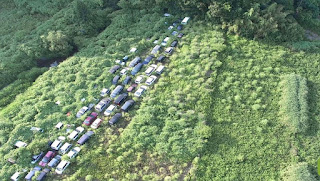
Immigration cycles were relatively more majestic mixing during the era of the Silk Road. But today, the frequency of human mass movement is increasing. The globe is a buzz of population-level movement and cultural assimilation. Even weather events cause surges of immigration. The tsunami that overwhelmed the Fushika Deinmer nuclear power plant caused a movement of people just as Hurricane Katrina did.
Within the domain of immigration, the core issues for Public Health range from infectious diseases to the transmission of cultural values. Cultural superiority or inferiority is often the first value that clashes. Frequently settled by state-sanctioned violence, the clarification of cultural hierarchy globally, has never been unsettled for so long.
Since World War I, countries and cultures have moved toward national identities. Internationally, the issue of immigration is basically legal, political, economic and anthropologic. Each facet impacts health and wellness.
What is the agency, and ethic within Public Health that is focused on and expressly for immigrants and immigration?